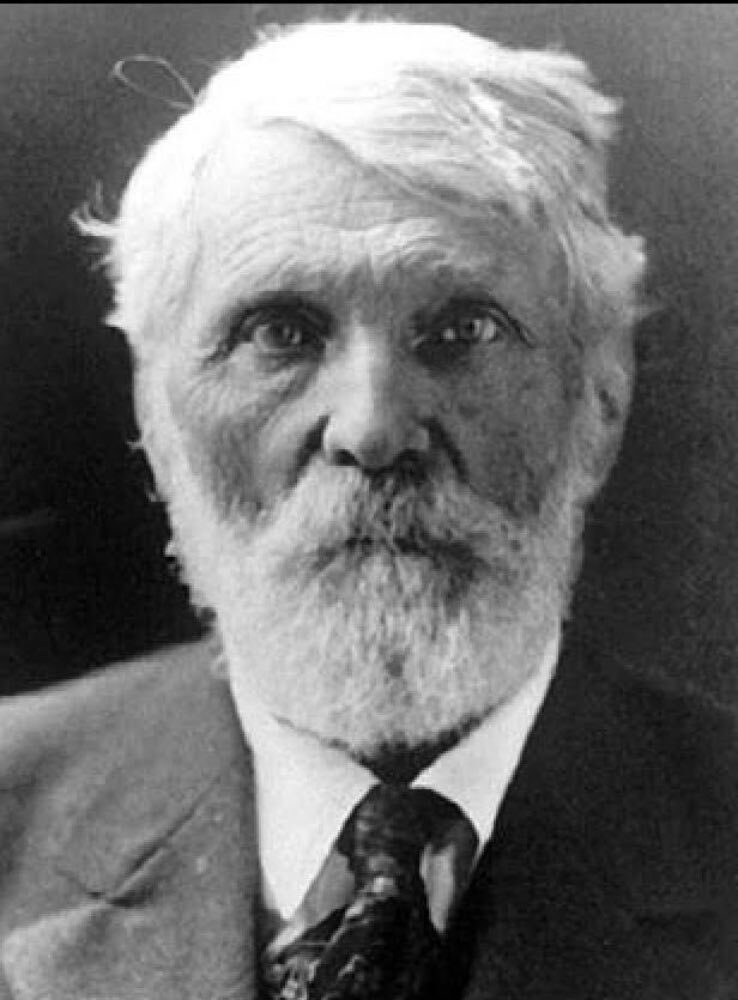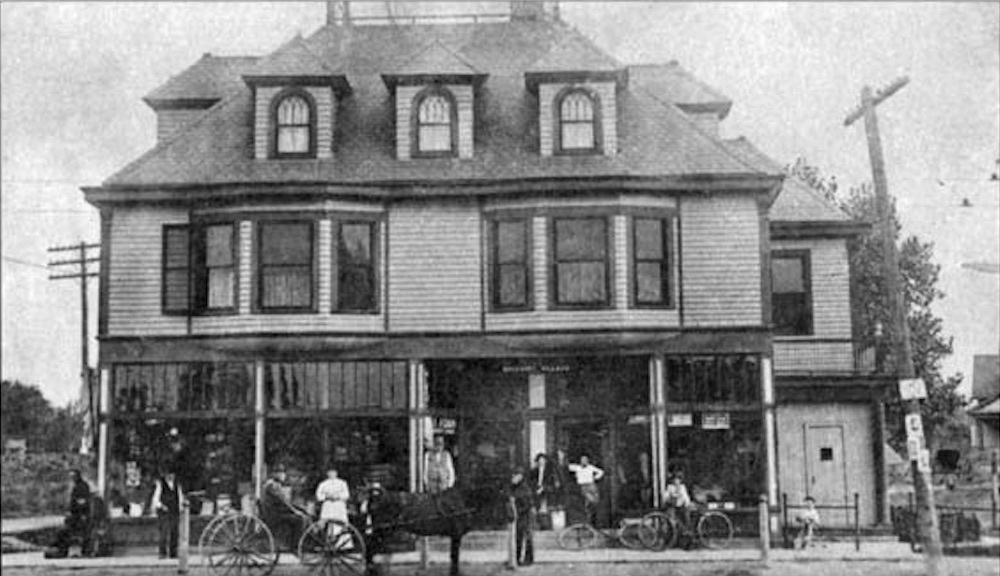
Oswald Kamm ran a popular grocery store and post office, at the main intersection of what is today known as “Kamm’s Corners.” He was an influential and popular figure in the early history of West Park, with a lasting legacy that has carried his namesake throughout generations, though few know his entire story.
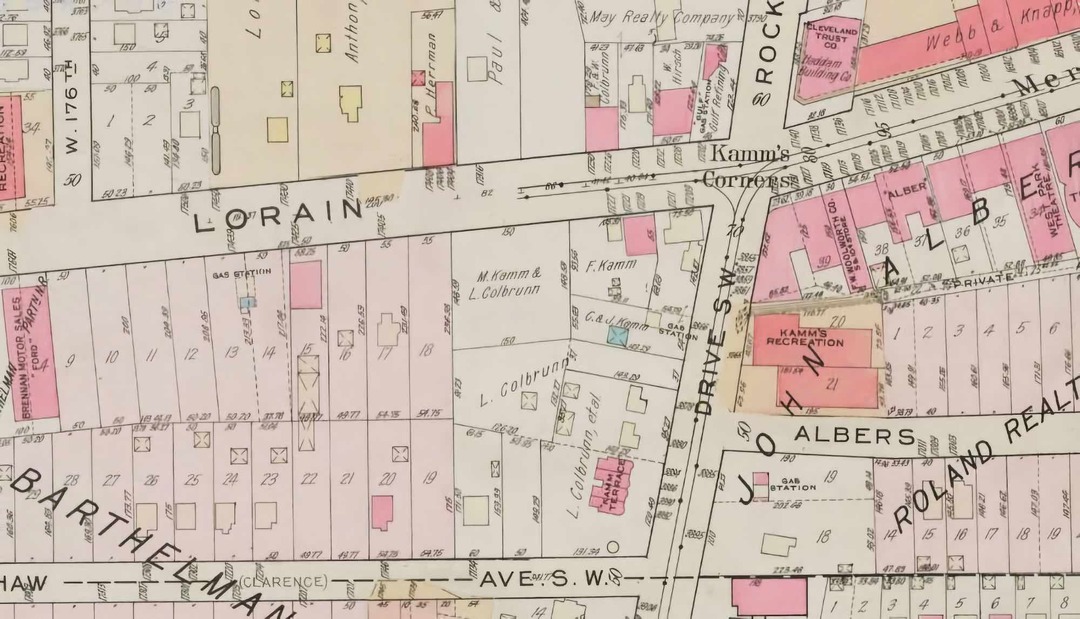
Standing at the southwest corner of Rocky River Drive and Lorain Avenue (previously Lorain Street), the Kamm Building has been the centerpiece of Kamm's Corners for more than a century. Originally built in 1898-1900 for Oswald Kamm’s general store and later used as a post office, it has been home to many businesses, mostly restaurants, during its time. Its recognition is important, as Kamm served as a popular town figure and played a role in the development of the Kamm’s Corners neighborhood in West Park.
Oswald Kamm was born in Elm, Switzerland, in 1845. He came to the United States as a young man, and in 1874 he settled on buying a four-acre property at the corner of Lorain Street and Rocky River Drive (formerly Riverside). In the previous year, Kamm had married Anna "Lena" Klaue, who was a member of the local Colbrunn family (her mother was a Colbrunn) who were prominent landowners in Rockport Township. The Colbrunns may have sold Kamm the four-acre property, as they are listed as the owners in 1858. At this corner, Kamm set up a grocery store. (He had previously been a grocery clerk in the Duck Island area of Cleveland.)
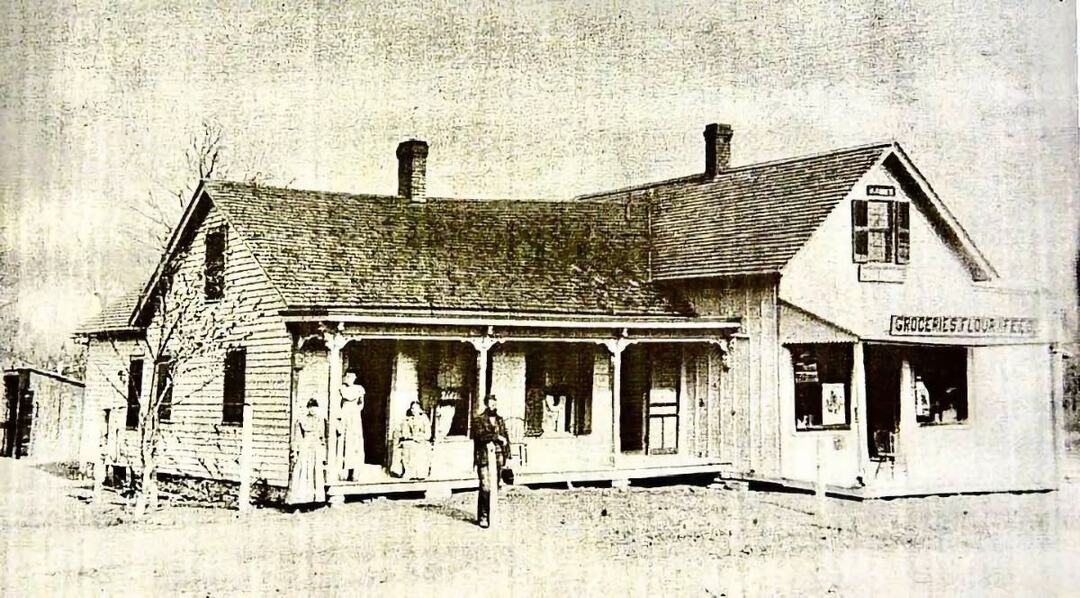
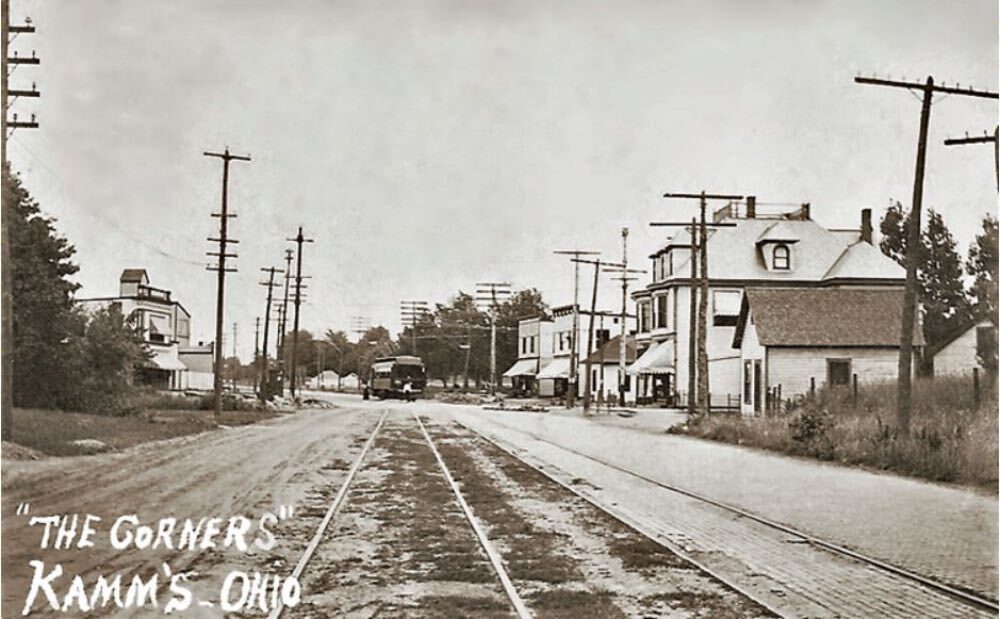
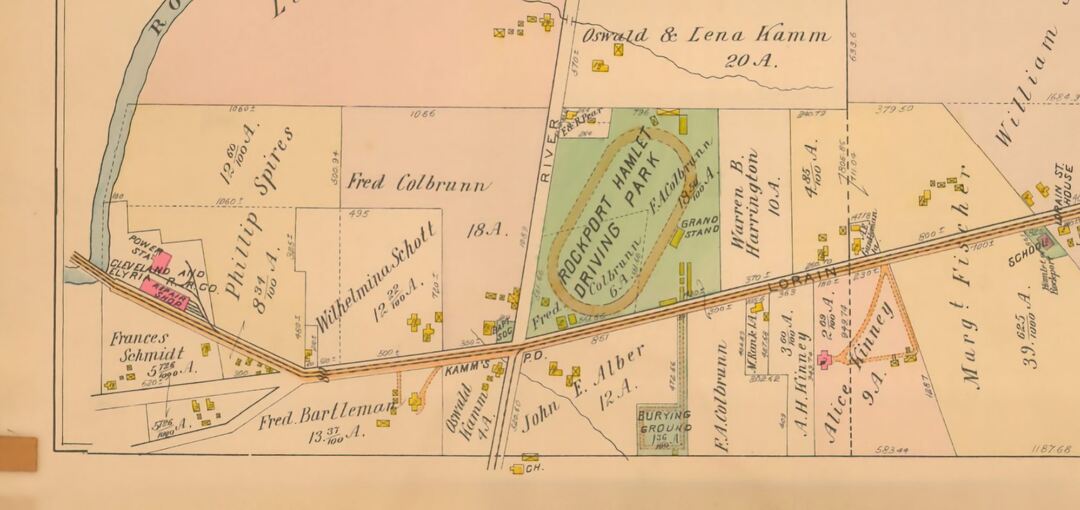
Kamm's original building, a modest one-story structure, faced Rocky River Drive instead of Lorain, as it was the more heavily traveled street at the time. In 1886, Kamm was approached by township officials to become an official post clerk during President Grover Cleveland’s administration. This new venture required Kamm to wake up at four or five every morning and make his way to the Nickel Plate Road rail station (in present-day Rocky River) to pick up the mail and return to his store by six A.M. This eventually led to the coincidental naming of “Kamm's Corners,” which has since become one of four neighborhoods within West Park. Numerous old plat maps refer to the southwest corner of Rocky River Drive and Lorain Street as “Kamm’s Ohio”, and it was written on any mail expected to go to Kamm’s post office.
The area Oswald Kamm would call home for nearly four decades changed rapidly during their time. When Kamm had arrived at what would have been considered part of “Rockport Township,” it was little more than farmland and a few stately homes. As Lakewood, Rocky River, and Goldwood (Fairview Park) split from Rockport Township and formed as townships, villages, and eventually cities, West Park also became an independent village of about 12.5 square miles. There were several name changes to the area during Kamm’s life: Rockport Hamlet, West Park Township, the Village of West Park, and eventually the city of West Park in 1921.
In the late 1890s, when Rockport gained rail service, Kamm’s post office became an interurban stop of the Cleveland, Southwestern, and Columbus Railway Co. (CS&C), which was “the second largest operator of interurban railways in Ohio at the time.” In the early 20th century, streetcars and rail lines were a main source of public transportation. Kamm’s stop linked to nearby Puritas Springs Park and ran south toward Berea. CS&C eventually discontinued operations in 1931 due to stock market failure, unprofitable lines, and growing automobile ownership. In 1913, a streetcar known as the “Cleveland Green Line” ran west on Lorain Avenue from Public Square and stopped at Kamm’s Corners. These rail lines shaped the early development of the West Park area. By the 1920s, subdivisions and commercial development had significantly increased in West Park. Kamm’s stop played a major role in the commercialization of Kamm’s Corners. He was a well-known businessman and postal clerk amongst community members and farmers from surrounding areas. Despite Kamm’s role, little was written about him while he was alive.
In 1909, Kamm constructed a rowhouse-style apartment building known as “Kamm’s Terrace” at 3890 Rocky River Drive, which still exists as an office building. By 1918, a three-story home to the west of his store was built on Lorain Street. Kamm’s house was moved in 1925 to 17134 Fernshaw Avenue, directly behind where it stood before. It stands today as a private residence. Kamm’s daughter Lena and her husband Fred A. Colbrunn, great-grandson of the largest landowning family in the village, lived in a smaller home directly to the north of Kamm’s Terrace, and the couple owned the apartment building until the 1950s. The Colbrunn family owned the Rockport Racing Track at the northeast corner of Lorain and Rocky River Drive and were local contractors and businessmen. The Kamm and Colbrunn families were close in business, and it is possible they assisted Kamm in the construction of his buildings. Both families were involved in the Lorain Greenhouse Co., one of many greenhouses at the time in the former Rockport area. Despite this connection, it appears there is no known architect for any of Kamm’s buildings.
Oswald and Lena Kamm raised their family in West Park, and had five children: Jacob, Fred, Oswald Jr., Lena, and Dora (who passed away at a young age). When Kamm's wife Lena died in 1917, the village of West Park had a variety of businesses and around 5,000 residents. One year later, Oswald’s eldest son Jacob (born in 1874) died from a murder-suicide, committed by an uncle after a dispute. The crime occurred at a home owned by the uncle further north on Rocky River Drive. Kamm himself died on November 17, 1922, ten days after the city of West Park voted yes on a proposition to be annexed into the city of Cleveland. Overwhelmingly, “The residents of West Park had chosen to become Clevelanders, largely due to promises of five-cent fares and extended streetcar services.”
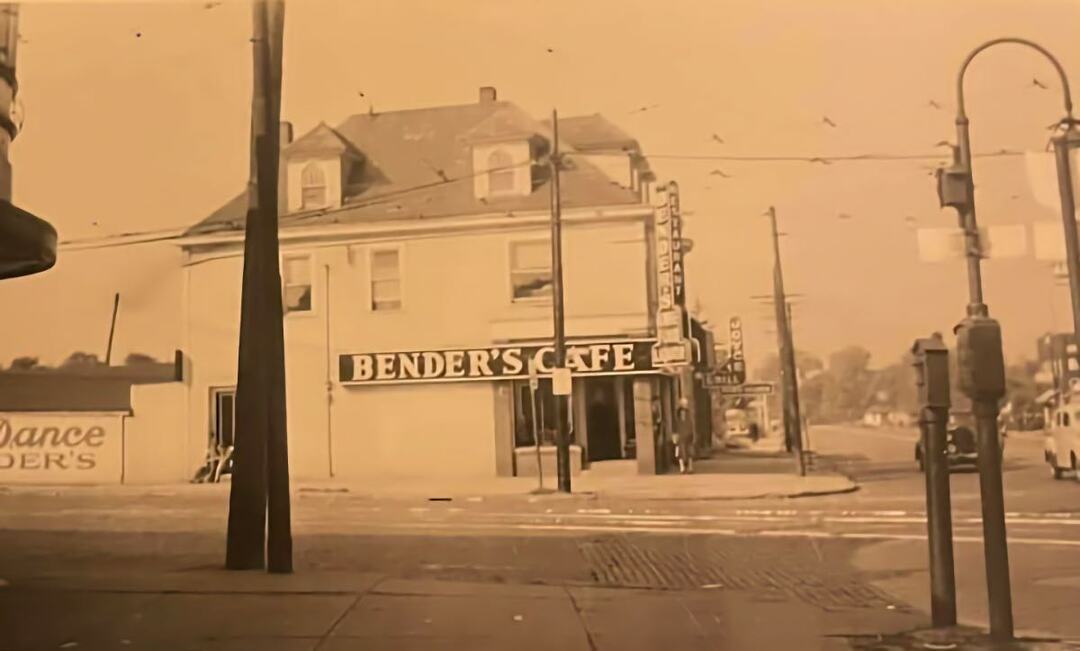
After Oswald Kamm’s death, his surviving daughter Lena and various relatives, including members of the Colbrunn family, divided the properties that Kamm had owned. Kamm’s store was converted to a lunch hall and candy store referred to as “Rockport Kelly’s.” A son of a local politician is said to have run the shop. From about 1940 to 1947, it housed Benders Cafe, a dance hall owned by John Bender. In 1944, a rear addition was constructed to allow for a small kitchen.
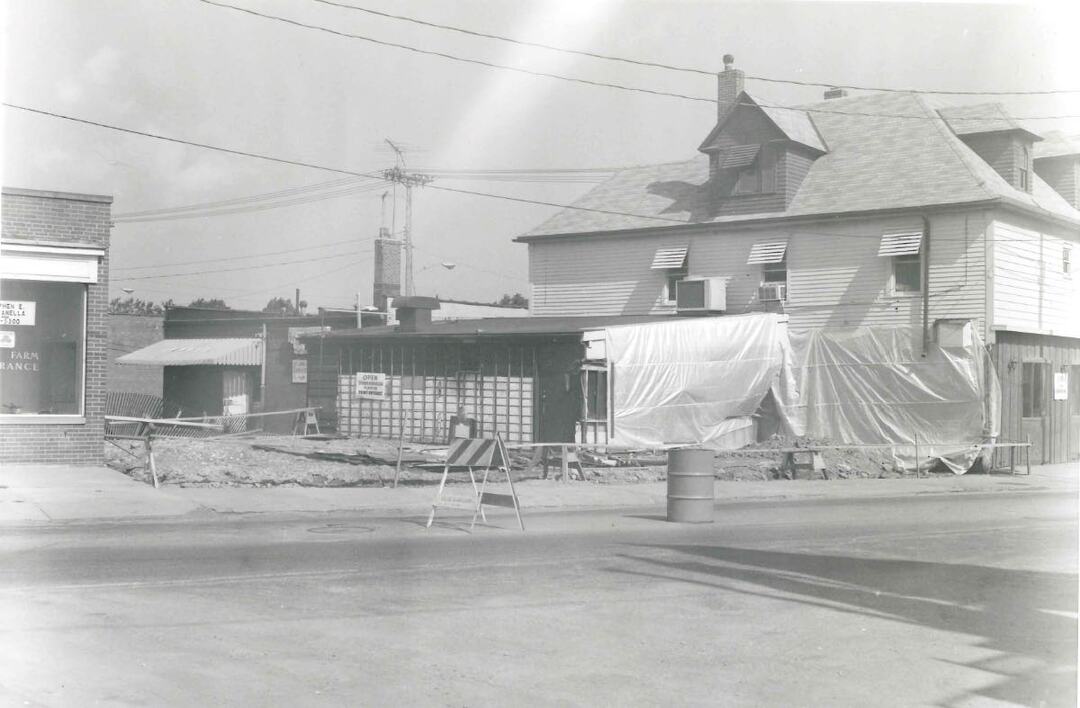
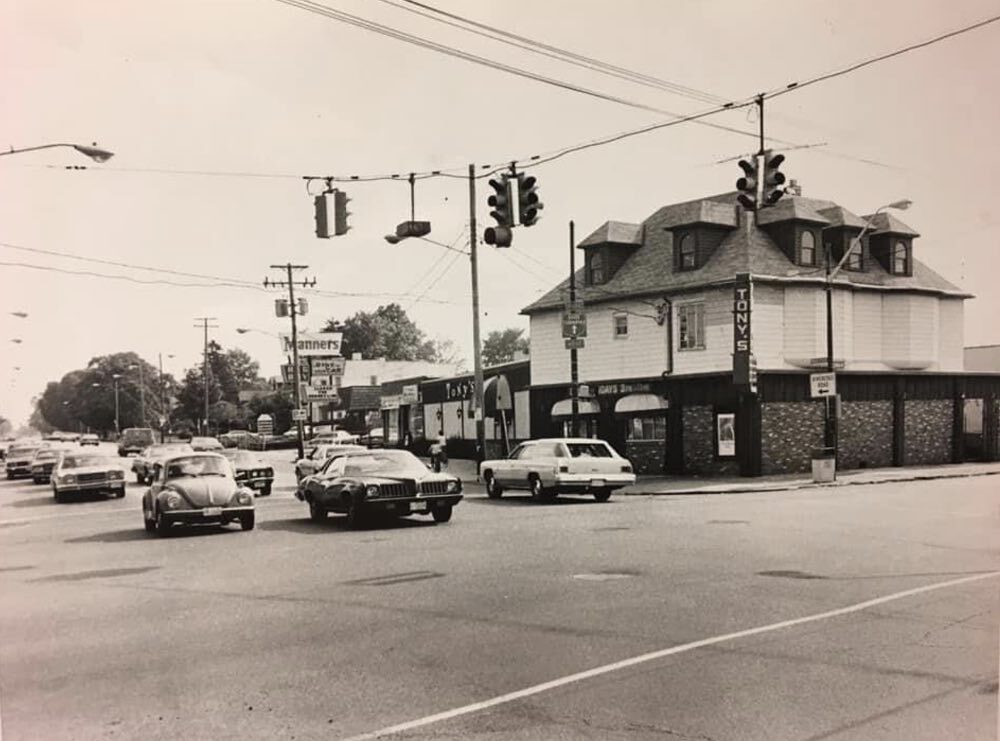
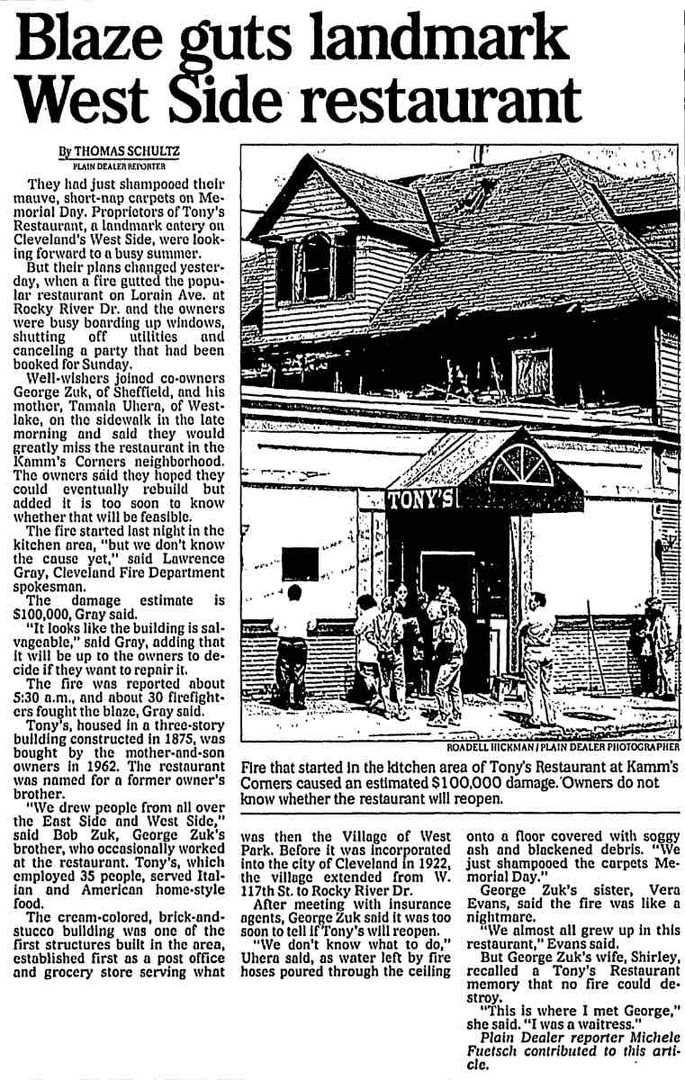
After Bender's, the building became perhaps what most West Parkers remember best: Tony’s Spaghetti House, later Tony’s Restaurant under different ownership. The original owners of Tony's were members of the local Zappone family, well-known by locals for their other nearby restaurants, including Mr. Z's and Tony's Diner. Under a second owner, Tony's expanded in 1975 with a rear addition (replacing the previous kitchen) to create a second bar and more dining space. Another addition followed in 1980, this time to expand the kitchen to be fully on the first floor. In the original building, this had been an enclosed porch with a second-story balcony, but by 1980 it was a courtyard that connected the rear parking lot with Lorain Avenue. Tony's lasted just over 50 years before a fire destroyed the interior of the building in 1997.
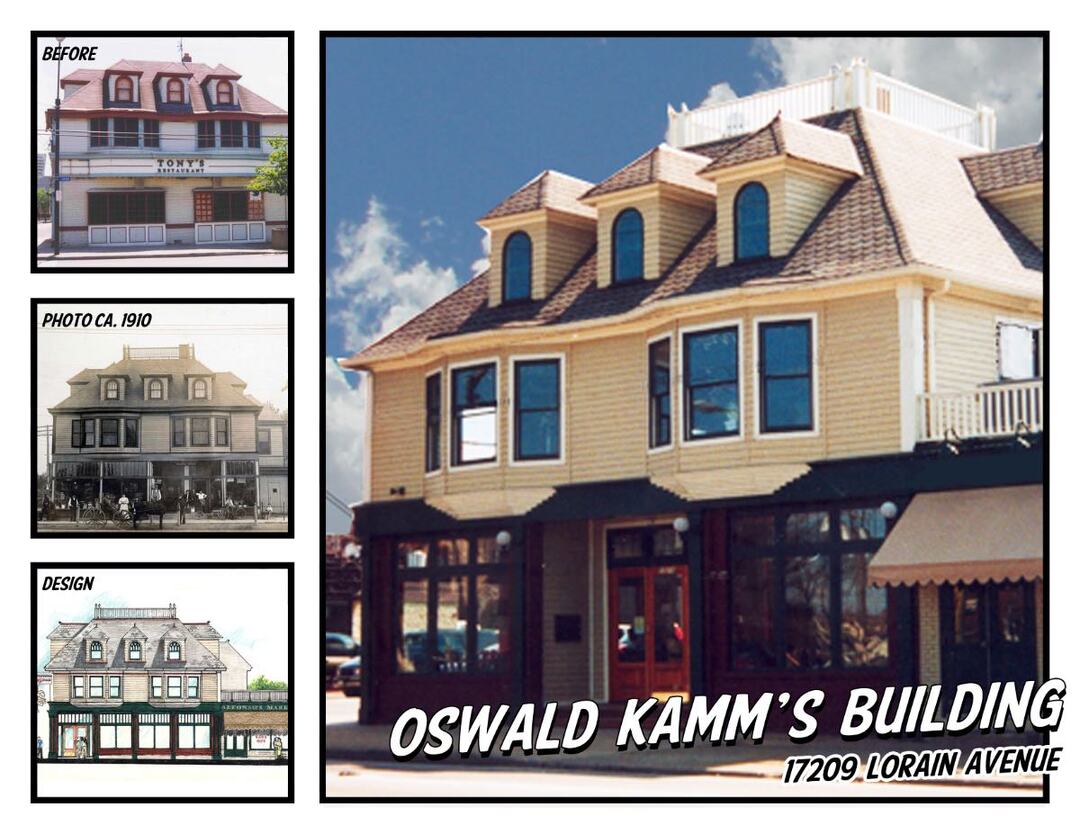
Following the fire, Kamm's Corners Development Corporation (now West Park–Kamm’s Neighborhood Development) teamed up with local developer Jim Carney on a $400,000 renovation. The project made use of the City of Cleveland's Storefront Renovation Program (SRP). An initial design by SRP staff member Tim Barrett proposed relocating the building's entrance to the street corner, keeping in character with its appearance during the Bender Cafe and Tony's days. Ultimately, however, a more symmetrical appearance was adopted, with the building's entry centered on the front facade.
The original building had not been symmetrical. Its entrance was offset, with two proportional storefront windows to the east and a smaller window to the west. The transoms on the original building were longer, and the bulkheads were lower. Notably, the project team was able to color-match the building for a historically accurate paint scheme.
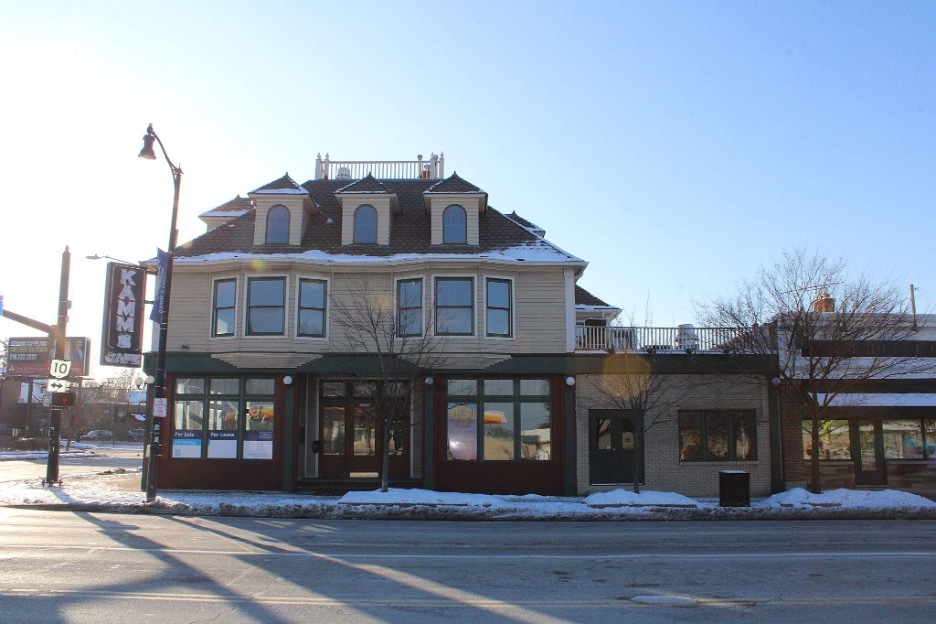
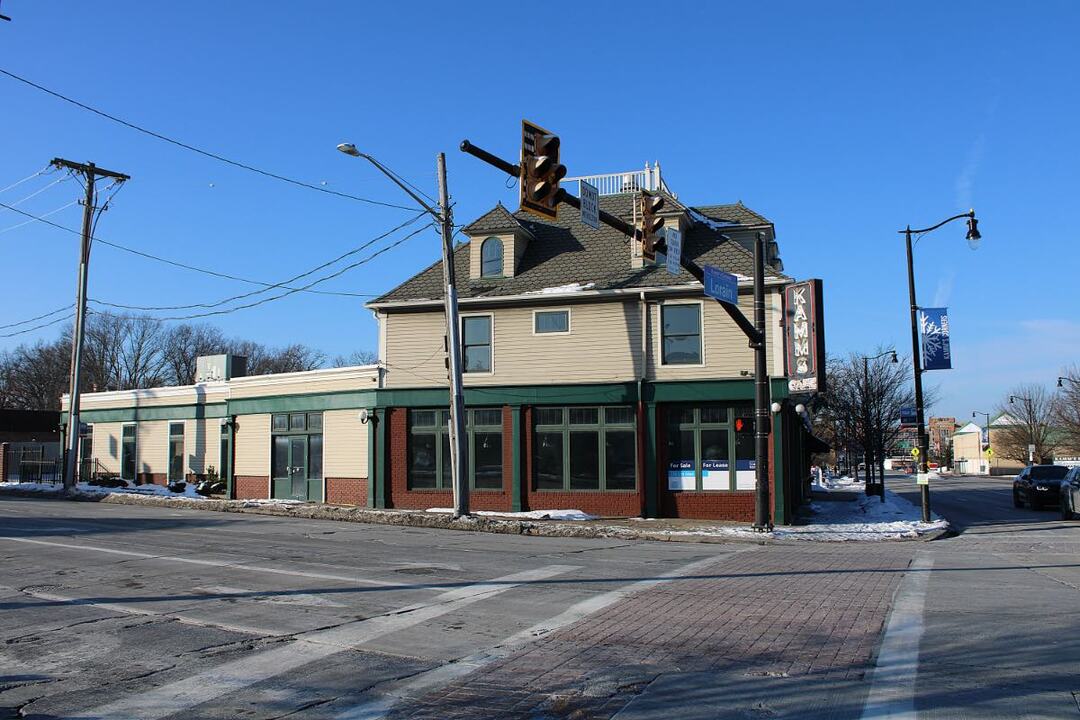
After renovation, the building housed Alfonso’s Tuscan Grill for just over ten years before becoming Panini’s Bar and Grill. When Panini’s closed, it sat vacant for around two years. Ironwood Cafe began operating in the building in 2015 and later changed its name to Kamm’s Cafe, honoring the Kamm name once again. However, Kamm’s Cafe closed within a year of the name change. In late 2025, legislation was introduced to nominate the Oswald Kamm building as a designated Cleveland landmark under the Landmarks Commission. Plans to re-establish the building as the heart of the neighborhood are underway at this time.
Images